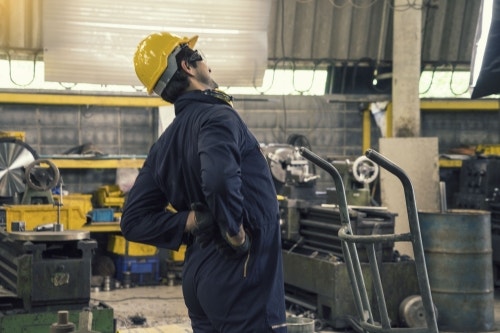
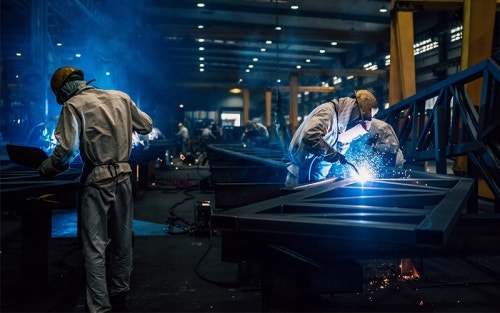
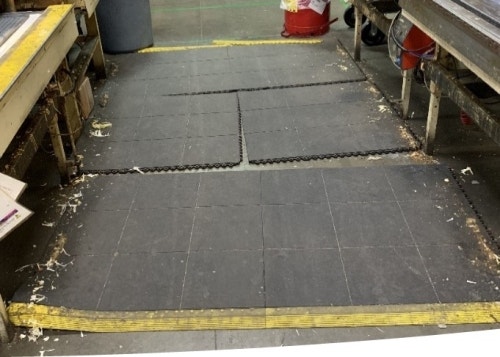
The right floor mat can make a huge difference in how people feel at the end of the day. If you work in the kitchen, at a standing desk, in an industrial setting, your floor can either lead to PAIN or GAIN:
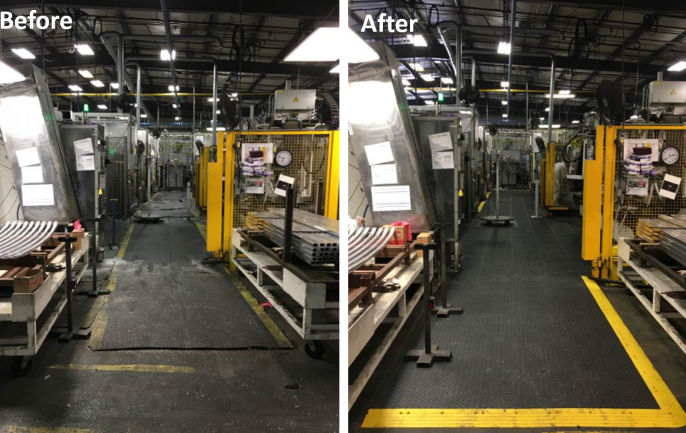
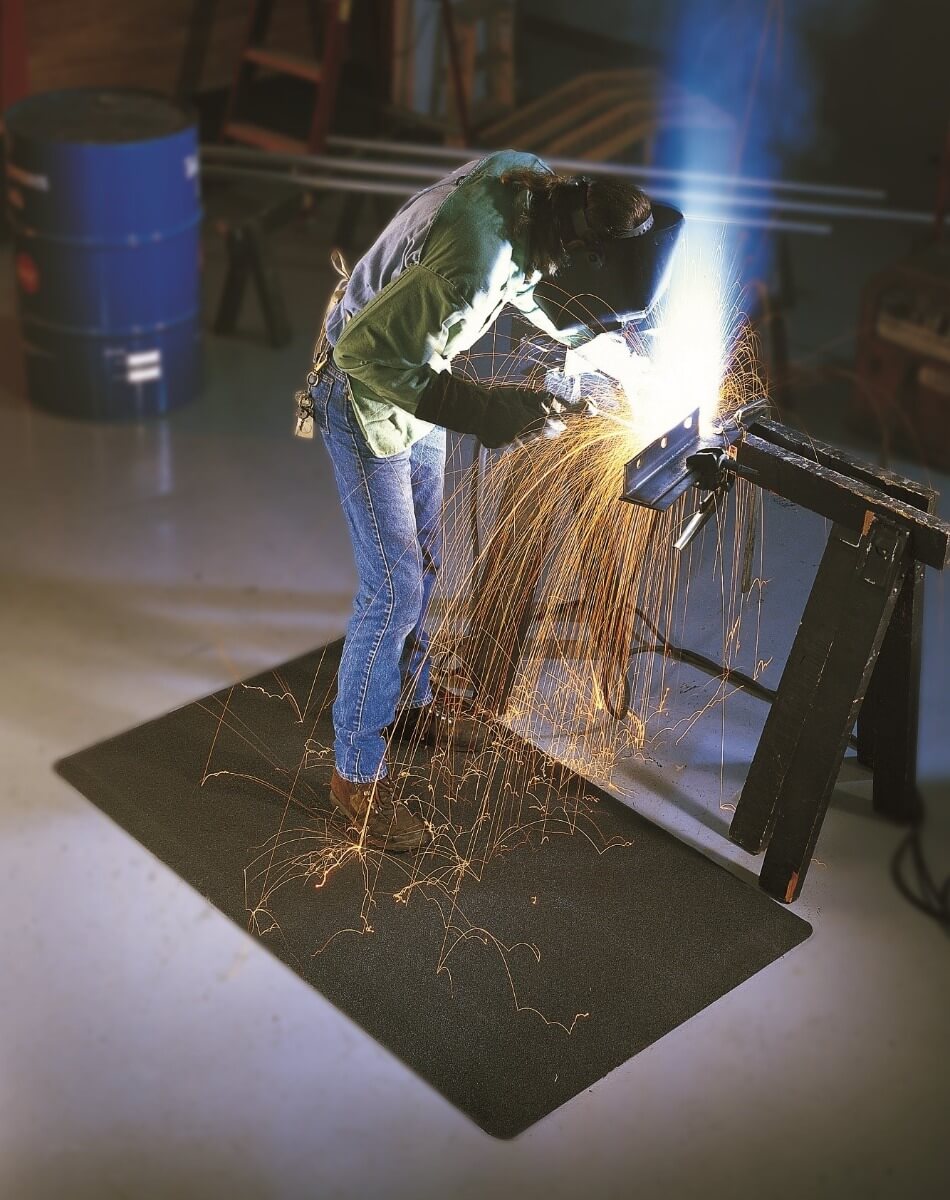
- The right mat provides sure footing:
In a way, workers are like athletes. They’ve got the gloves, safety glasses, helmets and padding. A lot of money goes into the gear they need on the production floor, (or the 'field' as we sometimes refer to it.)
Even with all the right gear, these 'industrial athletes' can only play as well as their field conditions. When was the last time you took a look at your ‘field conditions?’
For example- workers in slippery areas have specific needs to keep them safe. Similarly, workers who stand in one place all day have important ergonomic requirements. And workers who move up and down/ side to side need an ergonomic pathway that won't become a trip hazard as they ‘play their position’ on the production floor.
- The right mat doesn’t drain energy- it adds to performance:
The right ergonomic surface will provide so much benefit for the worker- it's quantifiable. Studies show that Wearwell mats reduce impact on workers’ joints by up to 50%. That energy savings means less impact on workers’ joints, and less skeletal and muscular (MSD) issues over time. The right mat is almost like a hybrid car, providing real time energy savings.
People often talk about wanting a ‘softer’ mat. They may have had a bad experience with a mat that was too hard, or didn’t help at all. But let’s take a step back and talk ergonomics. Think about an office chair for example. It may seem like a great idea to have the softest chair in the office, because it will ‘feel’ the best.
But would it be acceptable or practical to pull a sofa recliner up to your desk? No! Why not? Recliners don’t provide ergonomics- they provide comfort. They don’t make it easier to sit attentively at your desk, working. They make it easier to sleep and be lazy all day. The same is true about wanting “the softest mat.” Though it may seem like a good idea at the time, softer mats can actually drain energy if they don’t provide the exact ergonomic support needed.
- The right mat can guide the footpath of the worker, like lines on the field
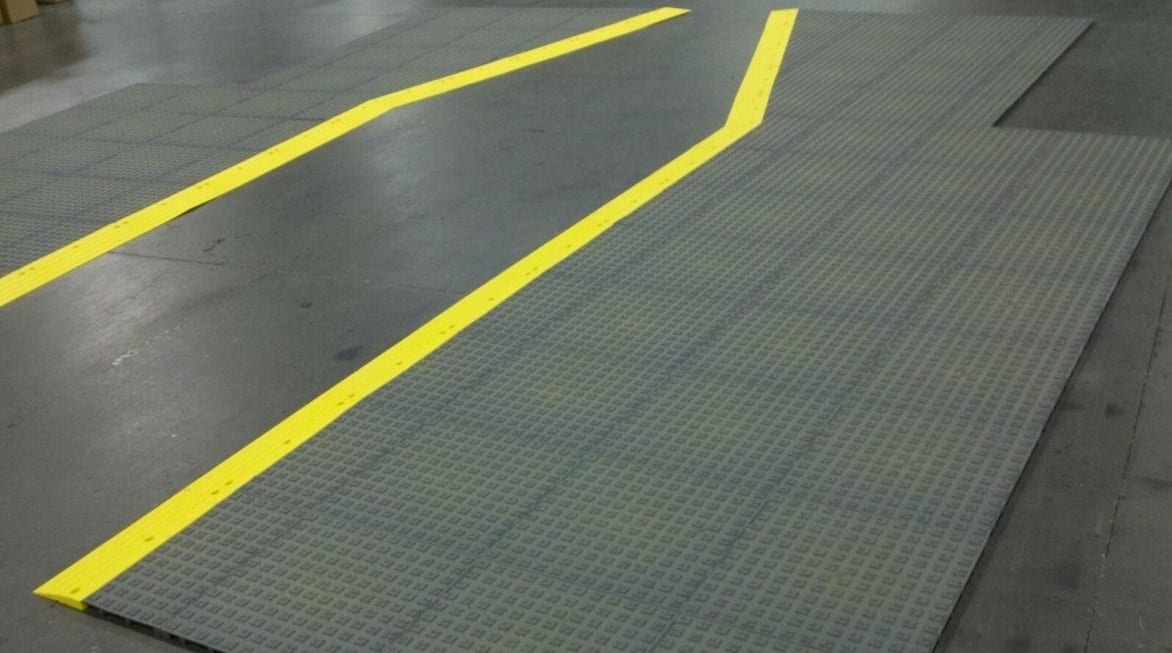
An athlete might use the lines on the field to know how to run their route, or where to cut. The same is true when creating a workspace or pathway on the production floor.
Colored tapes have often been used to mark the floor. There are several disadvantages to tape- it’s hard to see, must be maintained, replaced, and can be easily damaged.
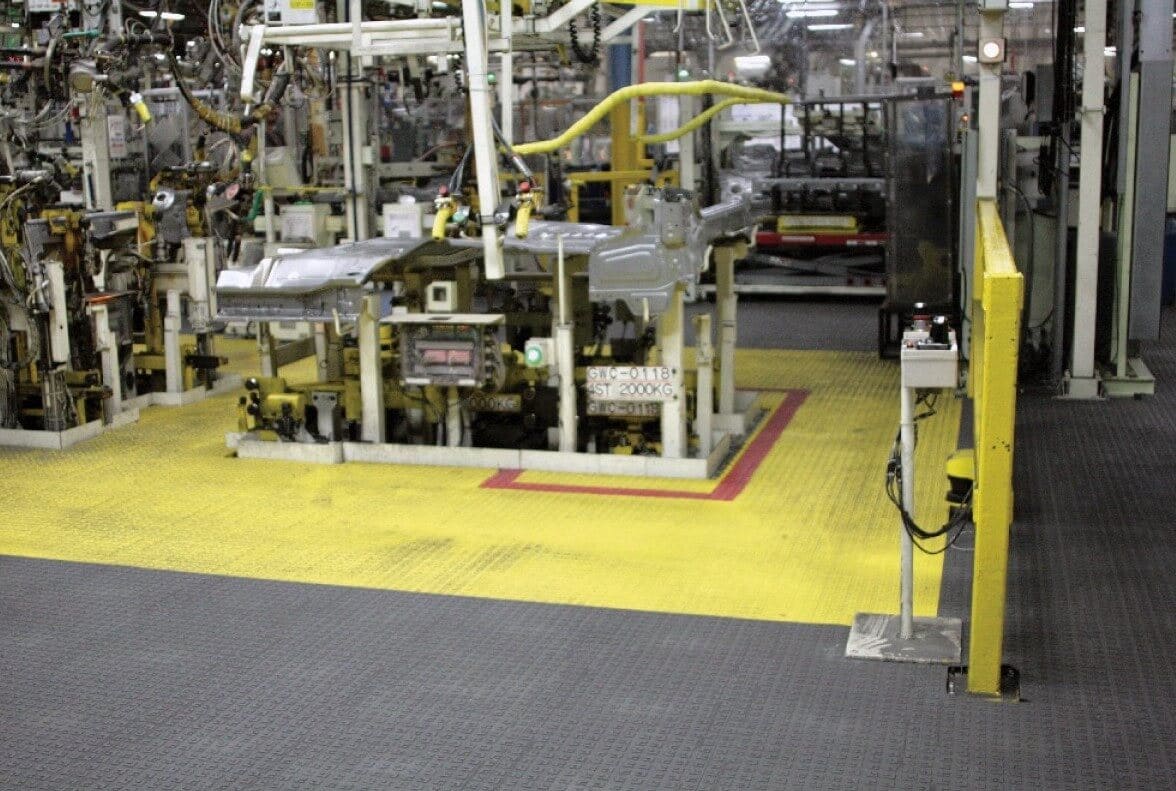
One popular option is to color the entire area with colored Ergonomic tiles. Red, yellow, blue and green tiles can be used to identify danger zones, outline cart paths, and show workers where they can safely step. Colored tiles separate departments while still providing the ‘field conditions’ workers need to perform their best.
- The right matting cam improve visibility & prevent injuries
Safely marking the ‘out of bounds’ and danger zones can be incredibly important, especially on the production floor. According to the National Safety Council (NSC) one slip injury can cost an average of $45k in workers’ comp- far more than the investment to outfit an entire facility with the best matting and ergonomic flooring.
According the NSC’s 2017 Injury Facts, 27% of ALL employee days away from work were caused by a slip, trip, or fall. So it goes without saying- visibility and subconsciously observed caution signals can be the key to preventing injuries, and may even save a life. Prevention is worth it- even if you only prevent one.
- The right mat will keep workers in the building on gameday
The best players are highly trained gamechangers who are tough to replace. The best teams understand this, and work hard to keep their best players on the field. That means proactively keeping those players off of injury reserve. The same is true for keeping your best employees in the building!
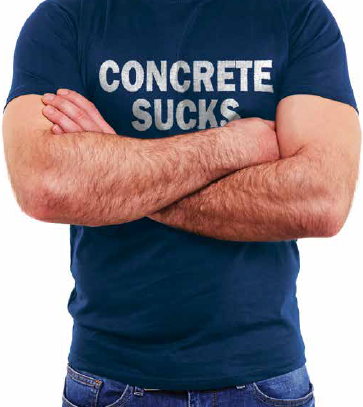
Standing on concrete or other rock-hard surfaces can cause heel pain, leg and back pain, and a variety of other bodily issues like varicose veins. These problems happen so slowly, the changes are nearly imperceptible until the damage is done. And once the damage IS done, employees start calling in, unable to work. Both the employee and employer suffer- and there is no winner but the concrete.
Overall, the right mats make work easier with stable footing, faster by retaining worker energy, and keeps workers in the building by providing the field conditions they need to feel their physical best while on the job. Learn more or talk to an expert: www.wearwell.com